
It’s National Red Cross Month! The nation is facing a critical blood shortage. Giving blood is easy, painless, takes about an hour, and has an enormous impact. Never given blood? Town Communication Assistant Holly Jennings takes you through it step by step.
Preparing to Donate Blood
I last gave blood on February 6 at the Pittsford Community Library, where blood drives are held on the first Friday of each month. My appointment was mid-morning. I prepared by eating a healthy breakfast and drinking plenty of water. Staying hydrated is critical when giving blood because it increases blood volume, making veins easier to find, and helps prevent dizziness and lightheadedness. Donors should drink plenty of water the day before and the day of their donation.
The entire blood donation process typically takes an hour, though collecting the blood takes only ab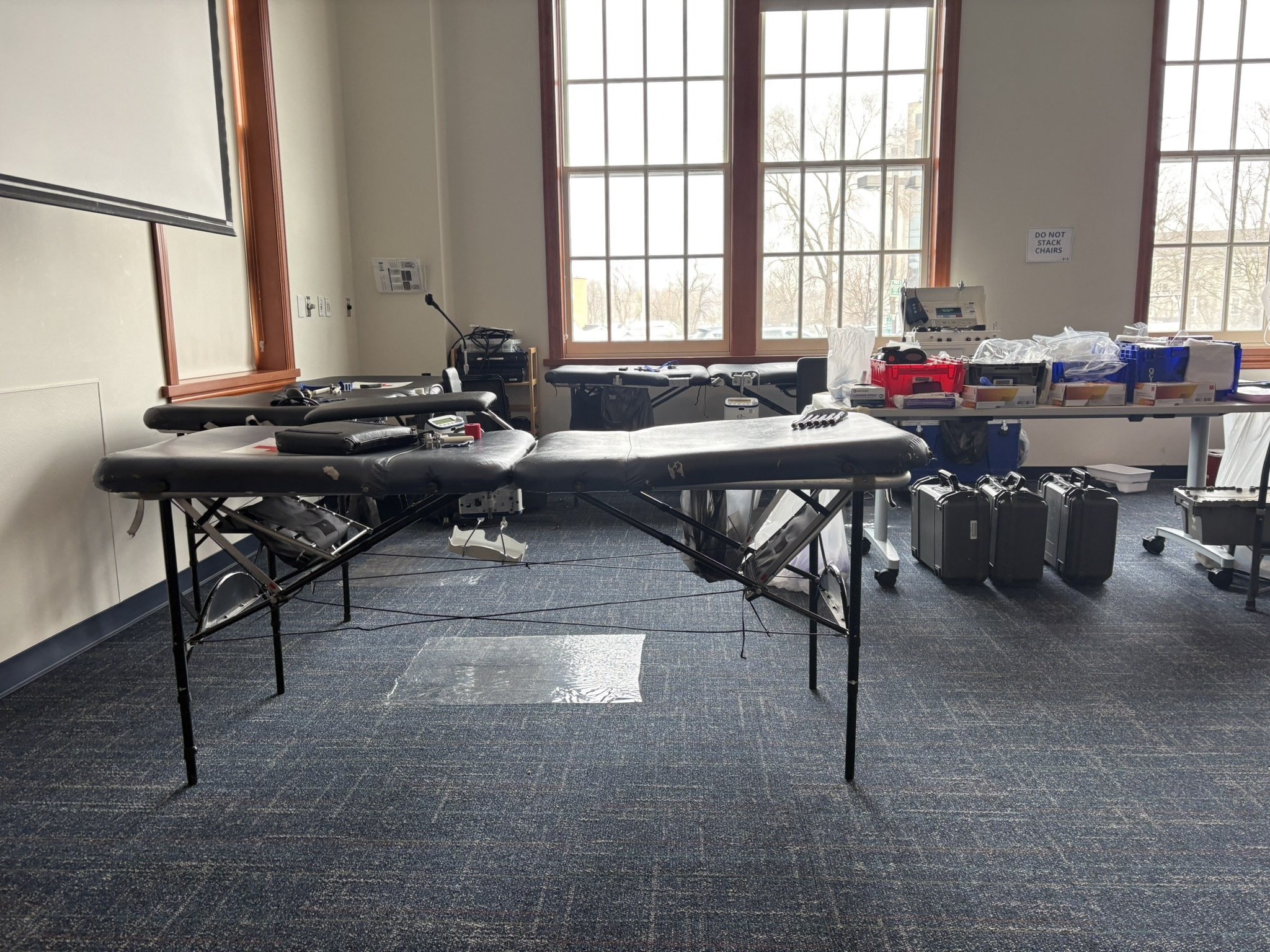 out 8–10 minutes. I arrived a few minutes before my appointment and signed in on a computer screen. I then took a seat, waited to be called, and chastised myself for forgetting to bring my book. (The irony of being in a library with no reading material!)
After a short wait, I underwent screening in a semi-private cubicle, where I was asked to present a photo ID. The first time I donated, I was asked a long series of questions about my general health, medications, travel and lifestyle, blood donation history, and safety. The health questions can be quite personal and may feel invasive to first-time donors. Screening also includes questions about sexual history, risk factors, and drug use. It’s important to be completely transparent; remember, the staff at these clinics ask every donor the same questions.
Collecting Medical History is Important
Although blood donations are rigorously screened in laboratories before being released for transfusion, you can save everyone’s time by being honest about your medical history. The Red Cross invests time and resources in the entire donation process, including donor recruitment, screening, blood collection, and initial testing. If a donation is later found to be high-risk or positive for infectious markers due to a dishonest answer, the entire unit must be discarded, wasting all associated operational costs (staff time, equipment, and supplies).
A person is ineligible to donate blood if they are currently sick, on antibiotics for an active infection, have low iron or anemia, have recently traveled to areas with malaria or risk of other infectious diseases, or have certain medical conditions such as untreated high blood pressure, certain heart conditions, a history of blood cancers, some bleeding disorders, HIV, and certain hepatitis infections. Pregnant individuals cannot donate, nor can people on certain acne medications, blood thinners, some types of immunosuppressants, or certain treatments for autoimmune diseases. A person must weigh at least 110 pounds and be at least 17 years old, with written consent from a parent or guardian, as per NYS guidelines.
As you can see, that’s a lot of information to uncover via a questionnaire. So now when I give blood, I use the Red Cross’s RapidPass, a tool that helps blood and platelet donors save up to 15 minutes by allowing them to complete pre-donation reading and health history questions online. RapidPass, which must be completed on the day of your appointment, can determine your eligibility beforehand. During the pre-screening process, a technician checked my temperature, blood pressure, and hemoglobin to ensure I was safe to donate.
The Main Event – Giving Blood!
When I finished with the screening process, a bed was readily available. Time for the main event! The bed was comfy — ergonomic and height-adjustable with the option to lie down or sit up. The technician sanitized my arm and started looking for a vein by applying a tourniquet. I was asked to squeeze a rubber object to increase blood flow.
I’ll admit I have great veins — a small, slightly irrational source of pride — though finding even good veins can sometimes be tricky. Phlebotomists have plenty of tricks to help veins “pop,” including warm packs, letting the arm hang down to fill with blood, and even using specialized devices to locate smaller or fragile veins.
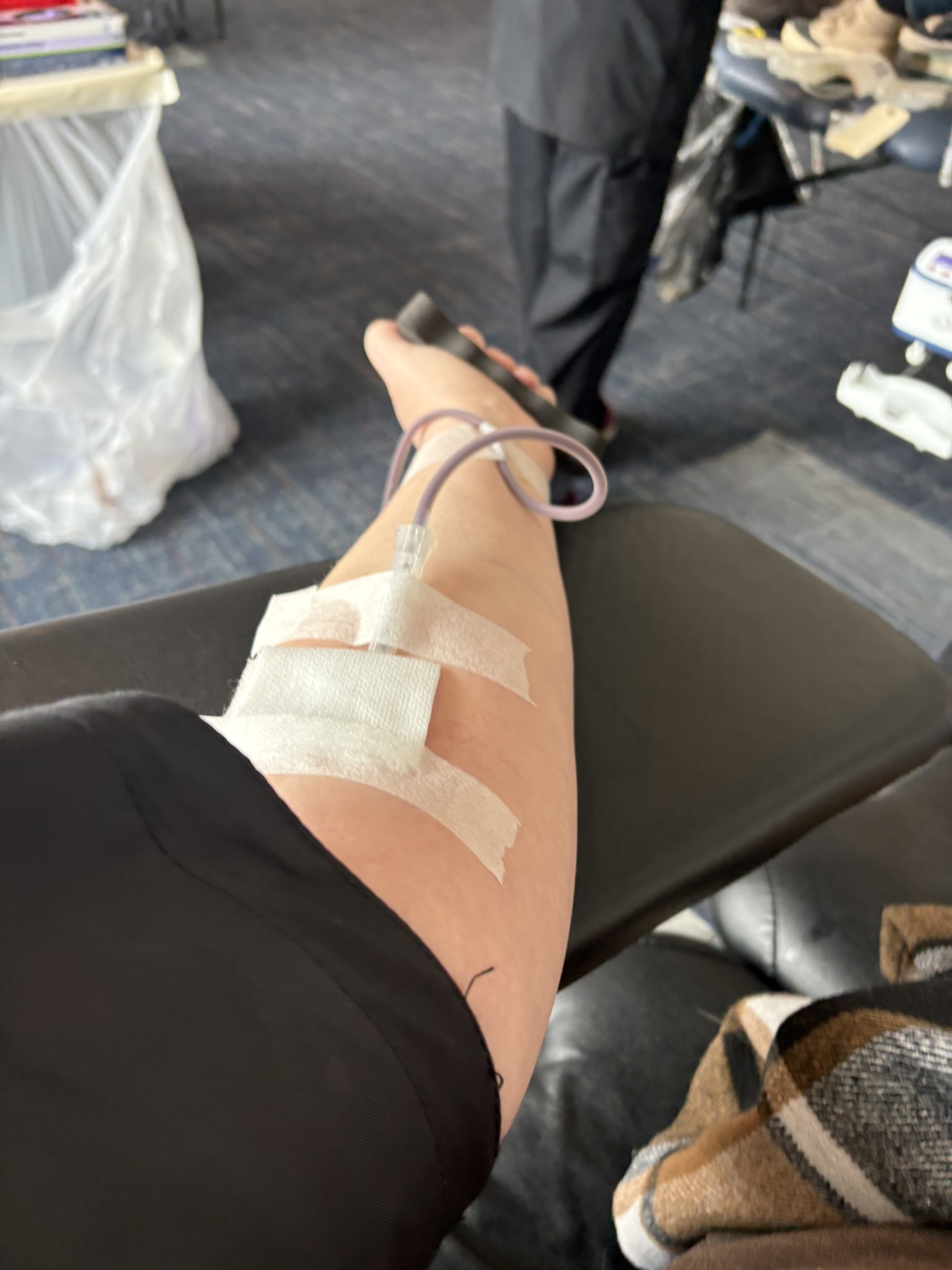
When a suitable vein was identified, the technician inserted a sterile needle into my arm. It generally takes 8–10 minutes to extract a pint of blood. Except for a pinch when the needle was inserted, the procedure was painless.
As the technician set up the bag, I was given literature on how to perform AMT (applied muscle tension) to prevent lightheadedness and dizziness during the donation process. AMT involves a series of leg exercises that help squeeze blood from my legs back into the heart.
Though I don’t have a pronounced fear of needles or blood, I never look at the blood being drained from my arm. No need to trigger any involuntary physiological responses.
An average adult human body contains roughly 8 to 12 pints of blood, with amounts varying by size and gender. Removing a pint of blood rarely causes problems because the body maintains a reserve of blood not essential for immediate daily functioning. The body also quickly compensates for blood loss, replacing donated plasma within 24 to 48 hours and red blood cells within four to eight weeks, which is why I cannot donate again until April.
During the donation process, the technician checked in with me periodically. I was able to drink water during the procedure and scroll through my phone. (Sadly, no book.)
A Short Recovery – Cookies Involved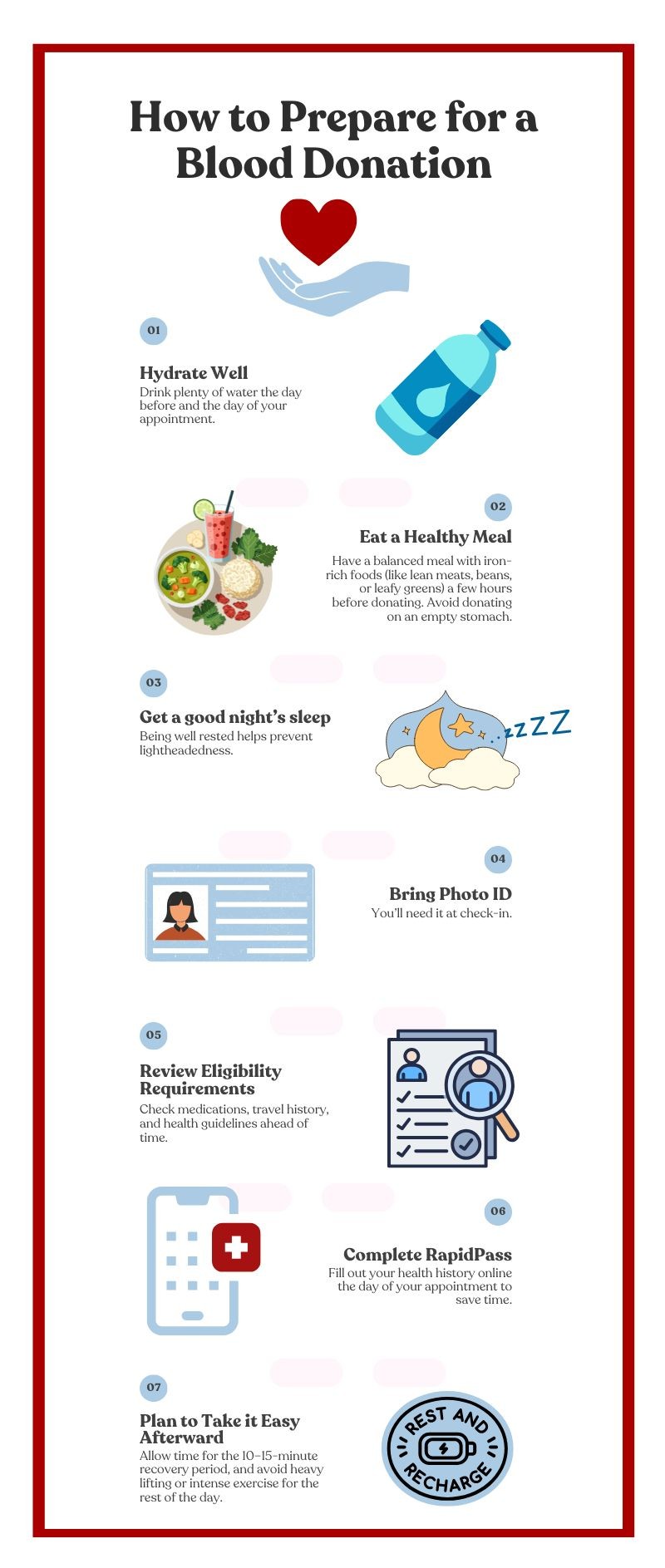
When I was finished, the technician applied a bandage to my arm and instructed me to leave it on for one to three hours to promote clotting. She made sure I got up slowly and was steady on my feet. Then I had a 15-minute recovery period. I went to a table where I drank a juice box (apple) and ate some cookies. I felt like a kindergartner. I was out of there in exactly an hour; however, there have been previous occasions where the entire process took a bit longer. I strongly suggest not scheduling your donation appointment before an important meeting or event.
The rest of the day, I made sure to keep drinking water. I felt slightly lightheaded that evening, but overall felt well and was able to proceed with my normal day.
Sometimes, I develop a bruise (a badge of honor!) after donating. This time, I did not. Excellent phlebotomy work, Red Cross! I left with a sense of pride, knowing that my single donation could save up to three lives.
A National Blood Shortage
Blood donations are way down across the United States, thanks in part to a harsh winter. The Red Cross says the need for blood is urgent. Hospitals across the country continue to report critically low supplies, especially of O-Negative and other universal blood types. Blood cannot be manufactured, and it has a shelf life (42 days for red blood cells and just 5 days for platelets), so the demand is ongoing.
Every two seconds, someone in the United States needs blood. You could be the one to give it.
The Town of Pittsford holds Red Cross blood drives on the first Friday of each month. Our next drives are: Friday, March 6, and Friday, April 3, from 10:00am to 3:00pm in the Library’s Fisher Meeting Room. However, you can donate blood at any Red Cross Blood Drive Location. Make an appointment through the Red Cross Blood Donor App, by visiting RedCrossBlood.org, or by calling 800-RED-CROSS.
If You Can’t Donate, You Can Still Help
If you can’t give blood or if you’re absolutely terrified of needles, you can still help. How? By hosting or organizing a blood drive through a school, church, workplace, or community group, volunteering at a drive as a greeter or snack table helper, spreading the word about urgent shortages, or encouraging just one eligible friend to donate. You can also support blood collection organizations financially or assist with donor recruitment efforts in your community.
If fear of needles is the barrier, know that staff are accustomed to needle anxiety and will walk you through it. Techniques such as applied muscle tension (AMT), looking away, listening to music, practicing breathing exercises, or bringing a friend can help. And remember, not everyone is medically eligible to donate, and that’s okay. There are many meaningful ways to support the blood supply without ever sitting in the inviting, ergonomic donor bed.
As for me, I’ll be back in April, ready to dole out another pint-sized dose of heroism.
This time, I’ll bring a book.
 PROJECTS
 PITTSFORD
 2025 EVENT
 MEETINGS
 DOCUMENT
 TOWN
TOWN